Liberia: Muslim Community Condemns Assault against Lawmaker

Chief Imam Ali Krayee speaks to the press.
The Sheriff's family spokesperson, Mr. Ali Sillah and the Islamic Community, through Chief Imam Ali Krayee have publicly condemned the assaults melted against District #1 Representative Nathaniel N. Bahwah of Grand Kru County and formally apologized. The delegation was made up of 30 - 35 persons.
Speaking to scores of journalists separately on the grounds of the Capitol Building on Wednesday, Mr. Sillah said the family has come to show regrets over the behaviors of Makavee Sheriff and Abdul Mohammed Sheriff and also apologize to the August Body as well as specifically, Rep. Barwah.
Mr. Sillah said they have met Speaker Bhofal Chambers, Deputy Speaker-Cllr. J. Fonati Koffa, Rep. Nathaniel Barwah and other lawmakers during which they condemned the act and pleaded for forgiveness on behalf of their children.
Chief Iman Krayee said the actions of the Sheriffs are condemnable and illegal.
"Yesterday's act was not just unfortunate, it was illegal and inappropriate and on behalf of the Sheriff's family, we want to say we are sorry that it happened. We condemned it and we pray that the Honorable House of Representatives will forgive us, especially our sister Makavee Sheriff and our brother Abdul Sheriff for the act done yesterday (Tuesday). Once again, we say this act is condemned!
And as a leader of the muslim community, a community that doesn't support wrong, we acknowledged the fact they were wrong so we asked the Honorable Speaker and members of the House of Representatives especially Hon. Barwah to forgive us for the act," Iman Krayer said.
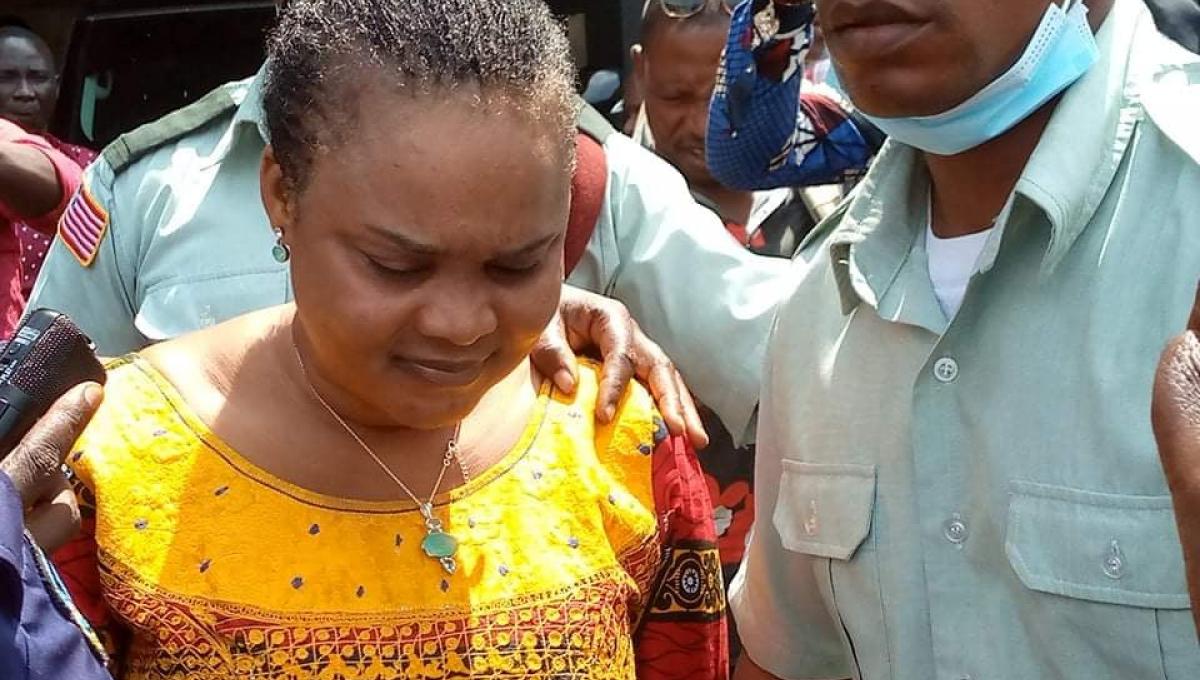
It can be recalled on Tuesday, the Plenary of the Honorable House of Representatives on sent to Monrovia Central Prison, Madam Makavee Sheriff and her brother Abdul Mohammed for assaulting Grand Kru County District#1 Representative Nathaniel Bahway on the grounds of the Capitol Building.
Members of the Lower House overwhelmingly voted to send the two individuals to jail for 15 days during the 8th Day Sitting of the Special Session of the 54th Legislature.
The decision was reached following a motion made by Montserrado County District#16 Representative, Dixon Seebo.
Despite the Sheriffs pleading guilty and begging for forgiveness, the House, citing Article 44 of the Constitution of Liberia, voted to punish them to “Set a precedent and deter future attacks against lawmakers”.
Article 44 reads; “Contempt of the Legislature shall consist of actions which obstruct the legislative functions or which obstruct or impede members or officers of the Legislature in the discharge of their legislative duties and may be punished by the House concerned by reasonable sanctions after a hearing consistent with due process of law.
No sanctions shall extend beyond the session of the Legislature wherein it is imposed, and any sanction imposed shall conform to the provisions on Fundamental Rights laid down in the Constitution.
Disputes between legislators and non-members which are properly cognizable in the courts shall not be entertained or heard in the Legislature”.
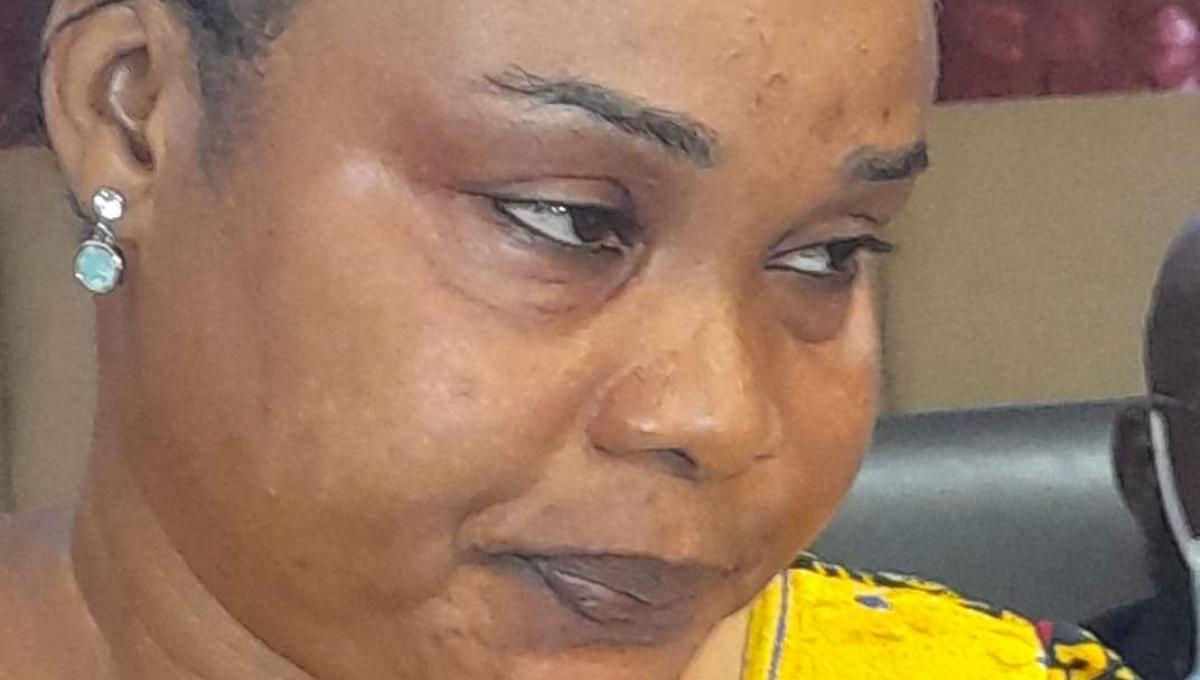
Meanwhile, up to press time, the Daily Observer has gathered that Abdul is in Central Prison while his sister (Makavee) is still at the health center.